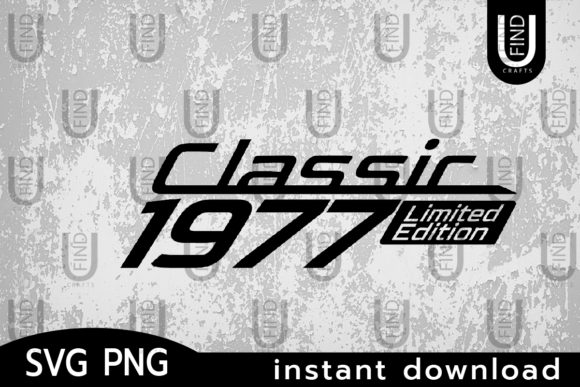
Classic 1977 Limited Edition
As an embroidery designer with years of experience, I’ve seen my fair share of vintage-inspired designs. But the Classic 1977 Limited Edition stands out for its nostalgic charm and potential in real-world projects. Whether you're creating custom apparel, personalized gifts, or small business merchandise, this design has a unique place in your creative toolkit.
The First Impression: A Nostalgic Visual Statement
The Classic 1977 Limited Edition immediately evokes a sense of retro style. The layout is clean, with a vintage feel that feels both timeless and modern. The design elements—think bold typography, subtle textures, and a slightly worn aesthetic—suggest a handcrafted, artisanal approach. It’s the kind of design that could work well on a tote bag, sweatshirt, or baby item, where the visual personality of the piece matters as much as the function.
From a technical standpoint, the detail level is moderate. It’s not overly complex, which makes it accessible for a wide range of embroidery machines and skill levels. However, the balance between simplicity and character is what makes it appealing for both personal and commercial use.
Real-World Embroidery Performance
When considering how the Classic 1977 Limited Edition performs in real-life embroidery situations, there are several factors to keep in mind. For custom apparel like t-shirts, sweatshirts, or tote bags, this design holds up well. The stitch density is manageable, and the overall size seems suitable for most standard hoop sizes. That said, if you’re working with smaller hoops, you may need to adjust the placement or break the design into sections.
This design also works well on baby clothes, where the softness of the fabric and the simplicity of the design can create a gentle, elegant look. On caps or hats, the design might require some careful placement to avoid distortion, especially if the cap has a curved surface. For embroidered patches, the Classic 1977 Limited Edition could be a strong choice, provided the stabilizer is adequate and the thread colors contrast well with the background fabric.
Where to Use With Caution
While the Classic 1977 Limited Edition is versatile, there are areas where caution is advised. If you're working with textured fabrics, thin materials, or stretchy garments, the design may not show up as clearly as expected. Similarly, on dark fabrics, the contrast might be too subtle unless you choose a bold thread color.
Dense stitch areas could lead to puckering or stiffness, so it’s important to test the design on scrap fabric before committing to a finished product. Tiny lettering or intricate corners might not translate well, especially on curved surfaces like caps or on items that require frequent washing. If you're planning to use this design for layered garments or products with multiple layers, make sure the design doesn’t interfere with the structure of the item.
Impact on Visual Appeal and Customer Perception
The Classic 1977 Limited Edition adds a distinct visual appeal to any project. Its retro aesthetic can elevate the perceived value of handmade products, making them more attractive to customers looking for unique, personalized gifts. When used on custom apparel or small shop merchandise, it can help establish a cohesive brand identity, especially for businesses targeting a vintage or nostalgic audience.
For Etsy sellers or craft entrepreneurs, this design could be a strong addition to a product lineup. It’s eye-catching without being overwhelming, and it offers a good balance between creativity and practicality. When paired with proper thread colors and stabilizers, it can enhance the professionalism of your finished products and build customer trust.
Practical Designer Notes
Before using the Classic 1977 Limited Edition in your next project, here are a few key considerations:
- Test on scrap fabric first to see how the design looks in different conditions.
- Check thread color contrast against the fabric you plan to use.
- Review stitch density to ensure it won’t cause issues on delicate or stretchy materials.
- Confirm hoop size requirements to avoid unnecessary adjustments during stitching.
- Inspect small details for clarity, especially if the design includes text or intricate patterns.
- Test in black and white mockups to see how it appears without color.
- Compare light and dark fabric backgrounds to determine the best presentation.
- Use proper stabilizer for best results on challenging fabrics.
- Verify licensing before selling finished items or digital products.
For small business owners and digital product sellers, the Classic 1977 Limited Edition can be a valuable asset in your design library. It’s ideal for printable mockups, digital embroidery files, and commercial embroidery projects. Just be sure to understand the terms of use and confirm that it aligns with your business model.
Final Thoughts: A Design Worth Exploring
The Classic 1977 Limited Edition is more than just a nostalgic throwback—it’s a functional, adaptable design that can fit into a variety of embroidery projects. Whether you're crafting personalized gifts, building a craft business, or preparing for a craft fair, this design has the potential to add value and appeal to your work.
With careful consideration of fabric type, stitch density, and placement, the Classic 1977 Limited Edition can become a staple in your embroidery file collection. It’s a great example of how vintage aesthetics can be effectively translated into modern, practical design assets for both handmade and commercial use.