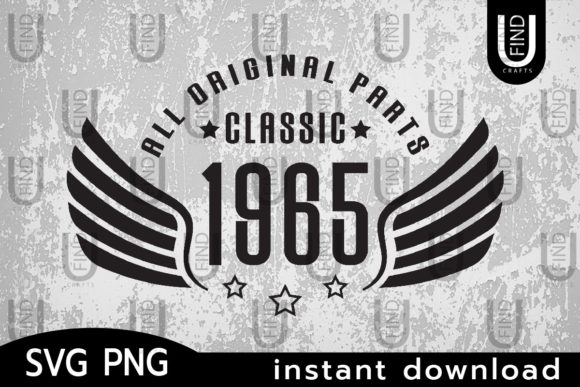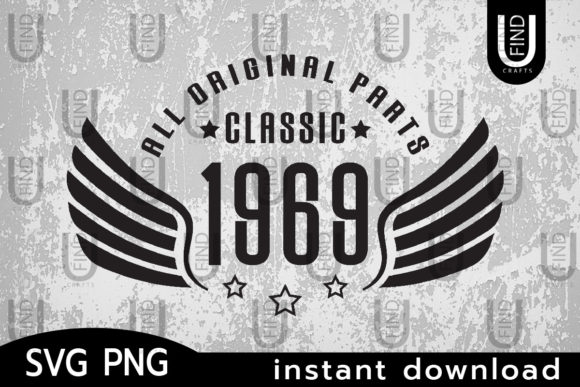
Classic 1969 All Original Parts
As a designer and embroidery product reviewer, I’ve seen my fair share of vintage-inspired designs. But when I came across the Classic 1969 All Original Parts, I knew it had potential for a wide range of creative applications. This design is more than just a nostalgic nod to the past—it’s a versatile digital file that can be adapted to various embroidery projects with the right approach.
The First Impression: A Timeless Vintage Vibe
From the moment I opened the SVG and PNG files, I was struck by the clean lines and retro aesthetic. The design exudes a sense of nostalgia, evoking the style of the late '60s without being overly dated. It has a classic feel that feels at home on both modern and vintage-inspired pieces.
The layout is straightforward, with a central motif that’s easy to scale and adapt. The detail level is moderate—enough to make an impact but not so intricate that it becomes a challenge to stitch. This makes it ideal for a variety of projects, from simple patches to more complex embroidered items.
It’s clear this design was created with practicality in mind. The shape isn’t too complicated, which means it can be used on different fabric types and sizes without requiring excessive hoop space or stabilizer. That said, there are still some considerations to keep in mind before jumping into a full project.
Real-World Use: From Tote Bags to Personalized Gifts
I tested the Classic 1969 All Original Parts on a few different fabrics and found it worked well on cotton, canvas, and even lightweight denim. For a custom tote bag design, it added a subtle yet meaningful touch that stood out without overwhelming the overall look.
On a sweatshirt, the design looked great with a solid background color. However, I noticed that on darker fabrics, the details became slightly less visible. That’s something to consider if you're planning to use this on black or navy garments. A lighter thread color might help bring out the design better in those cases.
For baby items, like onesies or blankets, the design felt appropriate and elegant. It’s not too flashy, which is perfect for a gentle, timeless look. On a patch, it held up well, especially when using a proper stabilizer. The stitch density wasn’t too heavy, so it didn’t cause puckering or distortion on the fabric.
One thing I did notice is that the design doesn’t work as well on stretchy or textured fabrics. If you’re planning to use it on a t-shirt made of spandex or a knitted item, you may need to adjust your technique or add extra stabilizer to prevent the design from stretching out during stitching.
Where to Be Careful: Design Limitations and Best Practices
While the Classic 1969 All Original Parts is a solid design, there are certain situations where it might not perform as well. For example, on small hoop sizes, the design could be difficult to place accurately. If you’re working on a cap or a small item, you’ll need to ensure the hoop size is large enough to accommodate the entire design without cutting it off.
Another consideration is the use of satin stitch or fill stitch. The design has some areas with fine lines and small details that could be challenging to replicate without careful attention. Tiny lettering or intricate corners might not come out as sharp as expected, depending on your machine settings and the type of stabilizer you use.
If you're planning to use this as part of a custom apparel or personalized gift, I recommend doing a test run on scrap fabric first. This will help you determine how the design looks in different thread colors and on different fabric textures. It's also a good idea to check how it appears in black and white mockups to see if it maintains its visual appeal without color.
Design Value: How It Enhances Your Work
When used correctly, the Classic 1969 All Original Parts can add a unique touch to your handmade product line. Its vintage aesthetic makes it a strong candidate for holiday gifts, wedding favors, or boutique merchandise. It’s also a great option for Etsy sellers looking to create a cohesive brand identity through consistent design elements.
From a commercial embroidery perspective, this design is versatile enough to be included in a variety of product lines. Whether you're creating embroidered patches, tote bag designs, or apron embellishments, it can serve as a reliable asset in your collection of design assets.
That said, it’s important to remember that the success of any machine embroidery design depends on how well it’s executed. Even the best designs can fall flat if not properly adapted to the fabric, hoop size, and stitching technique.
Practical Designer Notes: What to Keep in Mind
Before finalizing any project, I always recommend testing the Classic 1969 All Original Parts on a sample piece. This helps identify any issues with the design, such as poor stitch density or alignment problems. It also gives you a chance to experiment with different thread colors and fabric types to find the best combination.
When using this design for commercial embroidery or digital product selling, be sure to confirm the licensing terms. While the product description mentions a digital download, it doesn’t specify whether the design is suitable for resale or commercial use. Always double-check these details before incorporating the design into your business.
Lastly, don’t overlook the importance of stabilizer and hoop size. These factors can significantly affect the outcome of your embroidery. If you’re working on a small shop product or a printable mockup, ensuring the design is properly stabilized can make all the difference in the final appearance of your finished product.