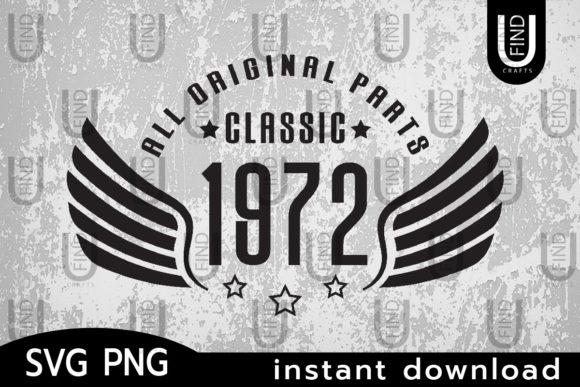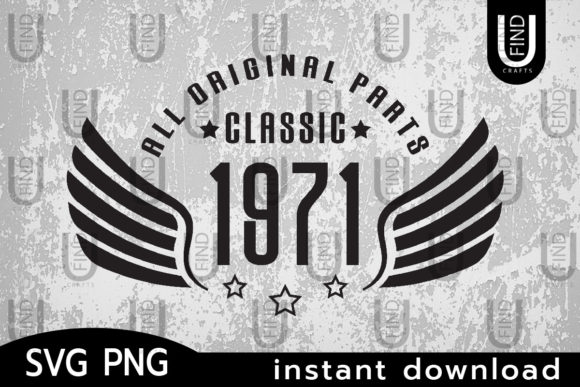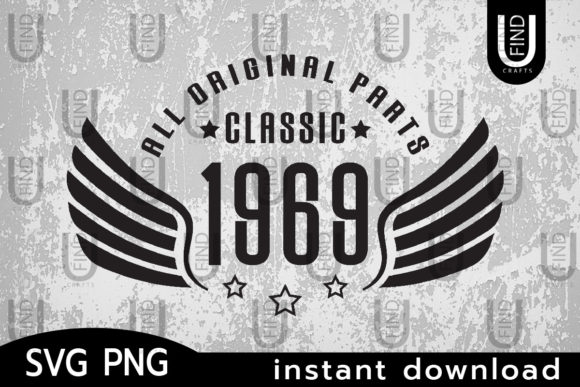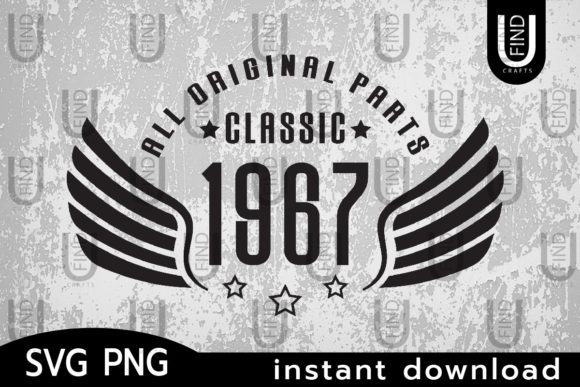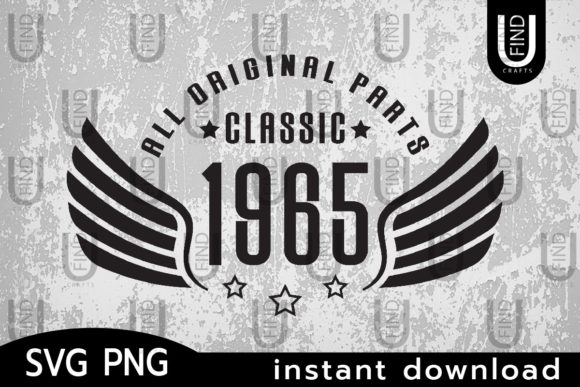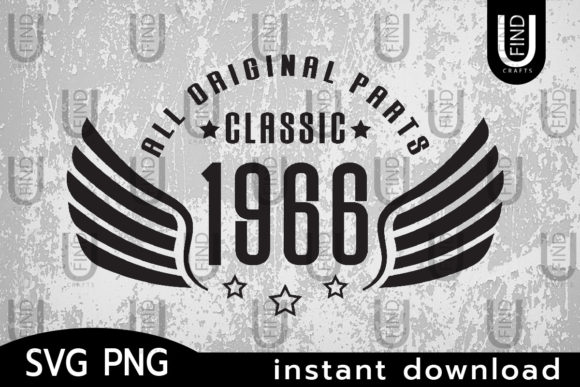
Classic 1966 All Original Parts
The First Impression of Classic 1966 All Original Parts
From the moment I opened the Classic 1966 All Original Parts file, I felt a sense of nostalgia. The design exudes a retro vibe that’s both timeless and instantly recognizable. It’s not just a simple emblem or logo—it feels like a piece of history. The layout is clean, with a vintage aesthetic that makes it perfect for a range of projects. The level of detail is appropriate for an embroidery design, offering enough visual interest without being overly complex.
This design seems to belong in a project that celebrates the past—whether it’s a custom embroidered tote bag for a vintage-themed boutique, a personalized baby onesie, or a patch for a retro-style jacket. Its simplicity makes it versatile, but its character ensures it stands out when stitched.
Real-Life Embroidery Use Cases
As a designer who frequently works on custom apparel, I immediately thought about how Classic 1966 All Original Parts would translate onto a sweatshirt or t-shirt. The design has a strong visual presence, which means it won’t get lost on larger garments. It also works well as a tote bag design, where the boldness of the image can be appreciated from a distance.
For baby items, this design could be a hit. A onesie or blanket with a classic 1966 motif adds a personal touch that parents might love. It also fits well into holiday embroidery projects, especially if you’re creating gifts for someone who appreciates vintage style.
As an Etsy seller, I know that visual appeal is key. This design has the potential to elevate a handmade product, making it more desirable for customers looking for something unique. It also works as a printable mockup, helping to showcase the final look before production.
Where to Be Careful With Classic 1966 All Original Parts
While the design is generally straightforward, there are some situations where it might not perform as well. If you're working with small hoop sizes, you might find that the details become too tight or distorted. Similarly, textured fabrics or thin materials could cause the stitches to look uneven or less defined.
On dark fabric, the design might not show up as clearly, depending on the thread colors used. For stretchy or curved surfaces like caps, the design may require additional stabilizer to maintain its shape. Tiny lettering or intricate corners could be challenging to stitch accurately, so testing on scrap fabric is always a good idea.
Dense stitch areas might lead to puckering or distortion, especially on delicate fabrics. If you're planning to use this as an applique design, make sure the edges are well-defined and compatible with your machine settings.
How Classic 1966 All Original Parts Affects Visual Appeal
When it comes to visual appeal, this design is a solid choice. It has a clear structure that translates well into embroidery, ensuring that the final product looks professional. The balance between detail and simplicity makes it suitable for both personal and commercial use.
Customers often respond positively to designs that have a story or a nostalgic feel. Classic 1966 All Original Parts offers that kind of emotional connection, which can increase the perceived value of a handmade product. It also helps with brand consistency, especially if you're running a craft business that focuses on vintage or retro themes.
As a designer, I also consider how a design affects the overall presentation of a finished product. This one has the potential to make a statement, whether it's on a custom apparel item, a personalized gift, or a small shop merchandise piece.
Practical Designer Notes for Using Classic 1966 All Original Parts
Before jumping into any embroidery project, I always recommend testing the design on scrap fabric. This helps identify any issues with stitch density, thread color contrast, or stabilizer needs. If the design is going to be used on a variety of fabrics, it’s important to check how it performs on different textures.
For commercial embroidery projects, make sure the design is compatible with your machine and that you understand any licensing restrictions. If you're selling finished items or digital products, confirm that the rights allow for such use. Also, test the design in black and white mockups to see how it looks without color.
Consider how the design will appear on both light and dark backgrounds. Some elements might need adjustment based on the fabric color. Proper stabilizer use is crucial, especially on stretchy or delicate materials. And don’t forget to inspect small details—sometimes what looks good on screen doesn’t translate perfectly to the finished product.
Final Thoughts on Classic 1966 All Original Parts
Classic 1966 All Original Parts is a design that holds a lot of potential for creative entrepreneurs, crafters, and embroidery professionals. Its vintage charm and clean layout make it adaptable to a wide range of projects. Whether you're creating custom apparel, personalized gifts, or small shop merchandise, this design can add a unique touch that resonates with customers.
With proper testing and consideration for fabric type, hoop size, and stitching techniques, this design can be a valuable addition to your embroidery project library. It’s a great example of how a well-crafted digital embroidery file can enhance both the aesthetic and practical aspects of a handmade product.