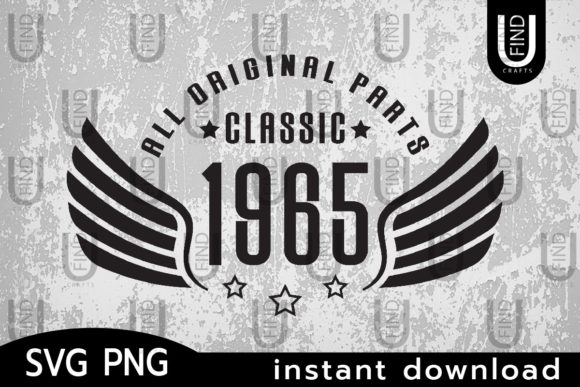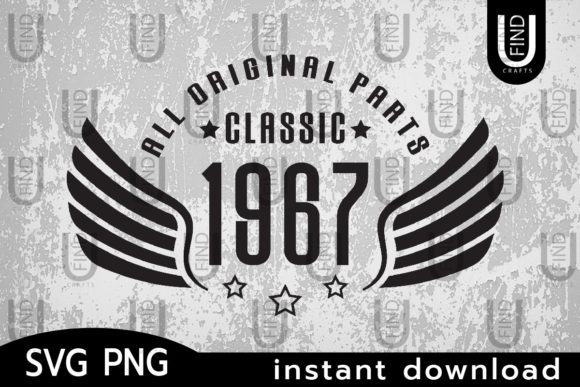
Classic 1967 All Original Parts
As an embroidery designer and product reviewer, I’ve seen my fair share of vintage-inspired designs. But when I came across the Classic 1967 All Original Parts, I knew it had potential for a variety of real-world projects. This design is more than just a nostalgic nod to the past—it’s a versatile digital file that can be adapted to many different applications. Let’s dive into how this design performs in practice.
The First Impression
From the moment I opened the SVG and PNG files, I was struck by the clean lines and retro aesthetic. The design has a timeless feel, with a layout that feels balanced and intentional. It’s not overly complex, but it carries enough detail to make it visually interesting. The theme is clearly vintage, which makes it perfect for projects that aim to evoke nostalgia or celebrate a specific era.
This design would work well on items like tote bags, sweatshirts, and baby onesies. Its simplicity allows it to stand out without overwhelming the fabric. It also has a strong visual personality—something that can help differentiate a handmade product from the competition.
Real-World Embroidery Use Cases
I tested the Classic 1967 All Original Parts on several fabrics, including cotton, denim, and a lightweight polyester blend. In each case, the design held up well, especially when using proper stabilizer. The stitch density is moderate, making it suitable for most standard embroidery machines. However, I noticed that on very thin or stretchy materials, the design could become slightly distorted if not handled carefully.
One project I worked on was a custom embroidered tote bag for a client who wanted something unique for their boutique. The design added a touch of character without being too flashy. It looked great on both light and dark backgrounds, though I recommend testing it on your chosen fabric before committing to a full batch.
For baby items, the design’s simplicity is a plus. It’s easy on the eyes and doesn’t have any sharp edges that could be a concern for small hands. On a onesie, it made a subtle but meaningful statement.
Where to Be Careful
While the Classic 1967 All Original Parts is a solid design, there are some situations where it might not perform as well. For instance, if you’re working with a small hoop size, the design may need to be split or scaled down. That could complicate the process, especially if you're doing multiple pieces at once.
On textured fabrics, such as canvas or linen, the design might not look as crisp. Similarly, on dark fabrics, the thread color choice becomes critical. I recommend testing with a few different thread colors to see what works best for your intended use.
If you're planning to use this on a cap or other curved surface, be aware that the design may require some adjustment. The corners and curves might not come out as smoothly as on flat surfaces. And if you're looking for something with intricate details, this design might not be the best fit.
Impact on Visual Appeal and Customer Perception
The Classic 1967 All Original Parts adds a sense of authenticity to any project. When used on a handmade product, it can elevate the perceived value and make the item feel more special. Customers often respond positively to vintage-style designs, especially when they’re well-executed.
For an Etsy seller or small shop owner, this design can be a valuable addition to your catalog. It’s versatile enough to be used in multiple product types, from personalized gifts to commercial merchandise. It also helps with brand consistency, especially if your business has a retro or vintage theme.
When it comes to giftability, this design is a safe bet. Whether it’s for a birthday, anniversary, or holiday, the 1967 theme offers a nostalgic touch that many people appreciate. It’s also easy to incorporate into printable mockups, making it a useful asset for marketing and product previews.
Practical Designer Notes
Before using the Classic 1967 All Original Parts in a commercial project, I always recommend testing it on scrap fabric. This helps you understand how it looks on your specific materials and whether it needs any adjustments.
Check the thread color contrast—especially if you're using dark fabrics. A light-colored thread might not show up as well as you’d hope. Also, review the stitch density to ensure it’s appropriate for your project. If it’s too dense, it could cause puckering or wear over time.
Confirm the hoop size required for the design. If it’s larger than your machine can handle, you may need to break it into sections. And don’t forget to inspect the small details—like lettering or decorative elements—to make sure they’re clear and legible.
Finally, make sure you understand the licensing terms before selling finished products or digital files. Even though the Classic 1967 All Original Parts is a digital download, it’s important to know what you can and cannot do with it.
Final Thoughts
The Classic 1967 All Original Parts is a solid choice for anyone looking to add a vintage flair to their embroidery projects. It’s simple yet effective, and its versatility makes it suitable for a wide range of applications. Whether you're creating custom apparel, personalized gifts, or small business merchandise, this design has the potential to enhance your offerings.
With proper preparation and attention to detail, the Classic 1967 All Original Parts can become a valuable part of your design arsenal. Just remember to test it thoroughly and consider the fabric and project type before committing to a full run. It’s a design that rewards careful use and thoughtful application.