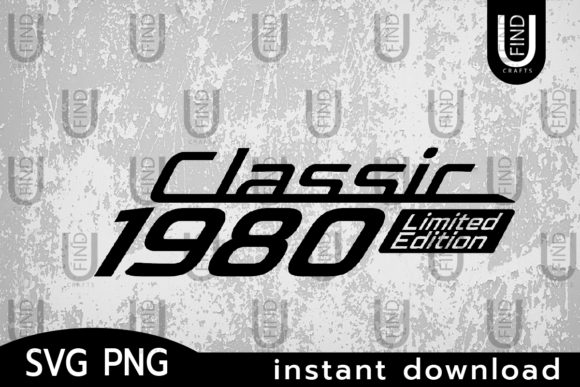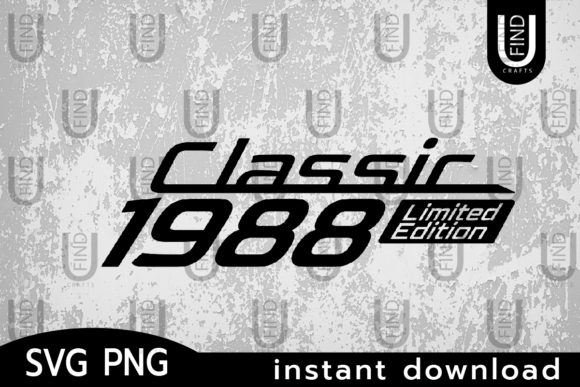
Classic 1988 Limited Edition
First Impressions: A Nostalgic Design with Timeless Appeal
The Classic 1988 Limited Edition immediately evokes a sense of nostalgia. Its retro aesthetic, with clean lines and vintage typography, feels like a throwback to an era when simplicity and boldness defined design. The layout is balanced, with a central focal point that makes it ideal for embroidery projects that need a strong visual presence. Whether it's a custom tote bag or a baby onesie, this design has the potential to stand out without overwhelming the fabric.
Real-World Use: Where It Shines and Where It Needs Care
When considering real-life applications, the Classic 1988 Limited Edition works well on larger items like sweatshirts, tote bags, and aprons. Its size and structure make it suitable for standard hoop sizes, which is a plus for designers looking to streamline their workflow. However, it may not be the best choice for smaller items like caps or patches, where the design could feel cramped or lose detail.
On textured or stretchy fabrics, the design might require extra stabilizer to prevent distortion. Thin or dark fabrics could also pose challenges, especially if the thread color doesn’t contrast well. For these cases, testing on scrap fabric before committing to a final project is essential.
Visual Appeal and Customer Perception
This design has a high potential to enhance the visual appeal of any finished product. Its retro vibe can add character to handmade items, making them more desirable for customers who appreciate unique, personalized gifts. When stitched correctly, the Classic 1988 Limited Edition can elevate the perceived value of a product, whether it’s a custom t-shirt for a client or a boutique item for an Etsy shop.
Customers often respond positively to nostalgic themes, especially around birthdays, holidays, or vintage-themed events. This design could be a strong seller in the right market, but its success depends on how well it’s executed and presented.
Design Performance: Stitching Clarity and Practicality
As a machine embroidery design, the Classic 1988 Limited Edition appears to have a reasonable stitch density. It uses a mix of satin and fill stitches, which should provide good coverage without being too dense. However, the design’s intricate details may require careful attention to ensure they don’t get lost during stitching.
For applique designs or layered garments, this could be a challenge. The design might not work well on curved surfaces like caps unless the hoop size and stabilizer are properly adjusted. Small lettering or detailed corners could also be problematic if not handled with care.
Practical Designer Notes: What to Check Before Using
Before using the Classic 1988 Limited Edition in a project, test it on scrap fabric to see how it looks in different thread colors and fabric types. Pay close attention to the stitch density—too much could cause puckering, while too little might result in a weak appearance.
Ensure the design fits your hoop size. If it’s too large, consider resizing it or breaking it into sections. Also, check if it works well with both light and dark fabric backgrounds. Some designs look great on white but may not translate as well to darker materials.
Use the proper stabilizer for the fabric you’re working with. For example, a tear-away stabilizer might be better for lightweight fabrics, while a cut-away could be needed for stretchy or textured materials.
Best Fit: Projects That Highlight Its Strengths
The Classic 1988 Limited Edition is ideal for custom apparel, such as sweatshirts, t-shirts, and tote bags. It also works well for baby items like onesies or blankets, where the vintage theme can add a unique touch. Holiday gifts, such as embroidered pillow covers or tea towels, could benefit from its nostalgic appeal.
As a digital embroidery file, it’s a solid choice for craft businesses, Etsy sellers, and small shop owners looking to offer printable mockups or design assets. Its versatility allows it to be used in both personal and commercial projects, provided the licensing terms are understood and followed.
Where to Be Cautious: Limitations and Considerations
While the Classic 1988 Limited Edition has many strengths, it’s not a one-size-fits-all design. On small hoop sizes, it may require multiple hooping sessions, which can be time-consuming. Thin or stretchy fabrics could lead to distortion if not stabilized properly.
Products that will be washed frequently, such as baby clothes or kitchen towels, may need additional reinforcement to maintain the design’s integrity over time. Detailed areas, like tiny lettering or intricate corners, could be prone to errors if not carefully managed during the stitching process.
Final Thoughts: A Reliable Choice for Nostalgic Projects
The Classic 1988 Limited Edition is a versatile and appealing design that can add character to a wide range of embroidery projects. Its retro style makes it a strong candidate for handmade products, personalized gifts, and vintage-themed merchandise. However, like any embroidery file, it requires thoughtful application to ensure it meets the needs of the project and the expectations of the end user.
For designers and crafters, this is a design worth exploring, especially if you're targeting markets that value nostalgia, uniqueness, and quality. With proper preparation and execution, the Classic 1988 Limited Edition can become a standout element in your portfolio or product lineup.