Classic 1970 Limited Edition
As an embroidery designer and product reviewer, I’ve seen my fair share of digital designs. But when I came across the Classic 1970 Limited Edition, I knew it had potential. This is a design that feels like a throwback to a simpler time—vintage, retro, and full of character. It’s not just another SVG file; it’s a piece of history wrapped in a digital format.
The First Impression: A Nostalgic Visual Statement
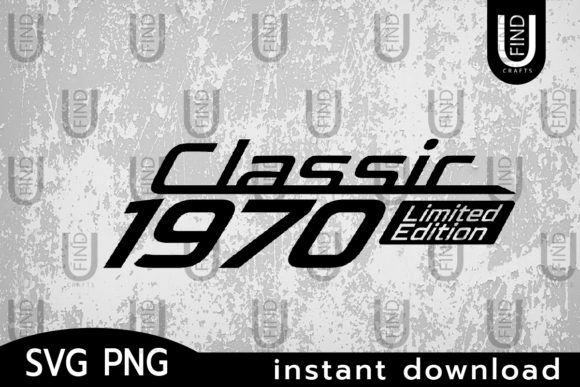
Opening the Classic 1970 Limited Edition file, I was immediately struck by its clean layout and bold visual personality. The design exudes a sense of nostalgia without being overly complicated. It’s the kind of piece that could work well on a variety of projects—from a custom tote bag to a baby onesie or even a holiday gift. The shape and theme are classic, making it versatile enough for both personal and commercial use.
The detail level is decent, with enough definition to make it stand out on fabric. It’s not overly intricate, which makes it ideal for beginners and experienced designers alike. The overall look is retro but modern enough to fit into today’s craft trends.
Real-World Embroidery Use Cases
One of the first things I considered was how the Classic 1970 Limited Edition would translate onto different materials. For example, if I were to create a custom embroidered tote bag for a client, this design would be a great fit. Its size and structure make it suitable for medium-sized hoops, and the stitch density isn’t so high that it would cause issues on delicate fabrics.
I also thought about using it on sweatshirts or t-shirts. The design would look good on light-colored garments, where the thread color can pop. But I’d be cautious about using it on dark fabrics unless the thread color is carefully selected to ensure visibility. The same goes for textured or stretchy materials—too much tension could distort the design.
For baby items, like onesies or blankets, the Classic 1970 Limited Edition could add a unique touch. However, I’d want to test it on a small area first to ensure it doesn’t cause any pilling or wear over time. It’s also important to consider the placement of the design, especially if it’s going to be on a patch or a cap, where the curve might affect the final look.
Where to Be Cautious
While the Classic 1970 Limited Edition is generally user-friendly, there are a few areas where care is needed. Small hoop sizes may not accommodate the full design, which could lead to stitching errors or incomplete results. Similarly, if you’re working with thin or stretchy fabric, the design might not hold up as well as it would on a heavier material.
Dense stitch areas could be an issue if the design is too packed. That’s why I always recommend testing the Classic 1970 Limited Edition on scrap fabric before committing to a project. It’s also worth checking the stitch density to ensure it won’t cause puckering or distortion on certain fabrics.
Another thing to keep in mind is the use of stabilizer. Depending on the fabric type, you may need to add extra support to prevent the design from shifting during stitching. This is especially true for items like aprons or kitchen towels, where durability is key.
Impact on Visual Appeal and Product Value
The Classic 1970 Limited Edition has a strong visual presence that can elevate any handmade product. Whether it’s used on a personalized gift or a boutique item, it adds a sense of authenticity and style. Customers often respond well to vintage-inspired designs, and this one has the potential to stand out in a crowded market.
From a business perspective, this design could be a valuable addition to an Etsy shop or a small craft business. It’s versatile enough to be used across multiple products, and its retro aesthetic can attract a wide range of buyers. However, it’s important to present it well—using printable mockups or digital previews can help customers visualize the final product before purchasing.
For commercial embroidery projects, the Classic 1970 Limited Edition offers a professional look that can be adapted to various applications. Whether it’s for a corporate gift, a promotional item, or a custom apparel order, it provides a polished and recognizable design that can enhance brand consistency.
Practical Designer Notes
Before jumping into a project with the Classic 1970 Limited Edition, I always recommend doing a few quick tests. Start by checking the stitch density and ensuring the design works on different fabric types. If you’re planning to sell finished products, confirm the licensing terms to avoid any legal issues down the line.
Also, think about how the design will look in black and white. Sometimes, the contrast between the thread and the fabric can be more important than the color itself. Testing it on both light and dark backgrounds can help you choose the best thread colors for your specific project.
Lastly, don’t forget the importance of proper stabilizer. Even if the design seems simple, using the right support can make a big difference in the final outcome. This is especially true for items that will be washed frequently, like towels or children’s clothing.
Final Thoughts
The Classic 1970 Limited Edition is a solid choice for anyone looking to add a vintage flair to their embroidery projects. It’s well-suited for a variety of applications, from custom apparel to holiday gifts, and it has the potential to enhance both handmade and commercial products. With a bit of care and testing, it can become a go-to design for many creative entrepreneurs.
Whether you’re an Etsy seller, a small shop owner, or a hobbyist, this design offers practical value and aesthetic appeal. Just remember to approach it with the same attention to detail that you’d give any other machine embroidery design. With the right preparation, the Classic 1970 Limited Edition can turn into a standout piece that your customers will love.