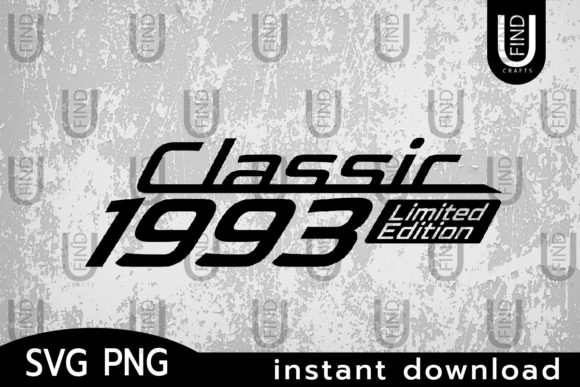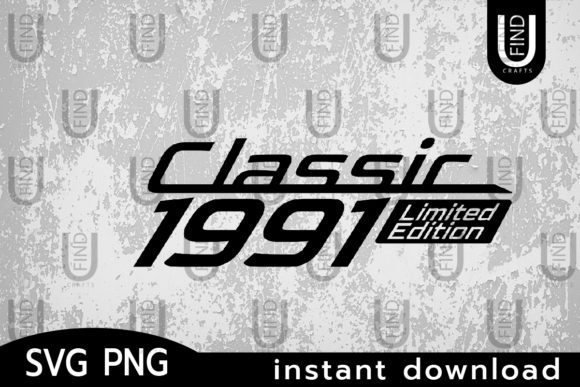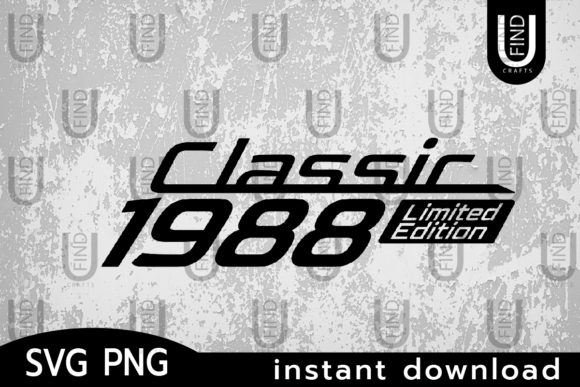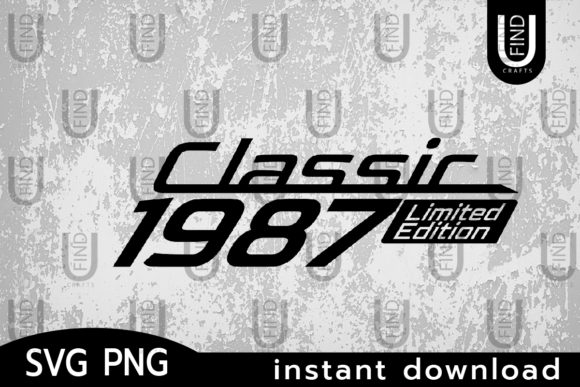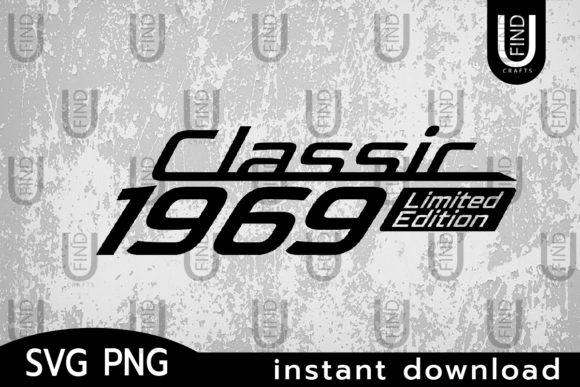
Classic 1969 Limited Edition
First Impressions: A Nostalgic Design with Timeless Appeal
The Classic 1969 Limited Edition immediately evokes a sense of nostalgia. Its vintage aesthetic, with clean lines and retro typography, feels like a throwback to an era of simplicity and charm. The design’s layout is balanced, with a strong visual presence that makes it ideal for embroidery projects needing a classic touch. Whether used on apparel, home decor, or personalized gifts, the design has a distinct personality that stands out without being overwhelming.
As a designer, I appreciate how the design maintains its integrity across different scales. It doesn’t lose its character when scaled down, which is essential for small items like baby clothes or patches. The level of detail suggests it was created with care, making it a solid choice for those looking to add a vintage flair to their work.
Real-World Embroidery Use Cases
Testing the Classic 1969 Limited Edition on a custom embroidered tote bag gave me a good sense of how it would translate to real projects. The design works well on medium-weight cotton, where the stitches sit flat and don’t pucker. It’s also versatile enough for use on sweatshirts, t-shirts, and even aprons, where it adds a subtle but noticeable vintage vibe.
For baby items, the design is perfect. It can be used on onesies, burp cloths, or booties, giving parents a unique, handmade look. The design’s size and structure make it suitable for small hoop embroidery, though I’d recommend using a slightly larger hoop if possible to avoid any stitching issues.
On caps or hats, the design holds up well, especially if the fabric isn’t too stretchy. It’s important to use the right stabilizer to prevent distortion, particularly on curved surfaces. For holiday or wedding gifts, the design offers a personal and meaningful touch, making it a great option for bespoke embroidered items.
Where to Be Cautious: Limitations and Considerations
While the Classic 1969 Limited Edition is a strong design, there are certain scenarios where it might not perform as well. On thin or stretchy fabrics, the stitches could pull or distort, so extra stabilizer is a must. Dark fabrics may require a contrasting thread color to ensure visibility, especially if the design includes fine details.
For intricate corners or tiny lettering, the design might need some tweaking. If you’re working on a project with tight stitch density, it’s worth testing on scrap fabric first to see how the machine handles it. This is especially true for commercial embroidery projects where consistency is key.
When used on layered garments or textured fabrics, the design may not show up as clearly. In such cases, a simpler version or a different file format might be more appropriate. Always check the design on both light and dark backgrounds to ensure it looks good in all contexts.
Impact on Visual Appeal and Customer Perception
The Classic 1969 Limited Edition adds a high level of visual appeal to any finished product. Its retro style gives handmade items a unique edge, which can help differentiate them in a crowded market. Customers often respond positively to vintage-inspired designs, especially when they’re well-executed and consistent in quality.
From a business perspective, this design can enhance the perceived value of your products. It signals professionalism and attention to detail, which can build trust with customers. For Etsy sellers or small shop owners, it’s a reliable choice that can be used across multiple product types, from apparel to home décor.
When used in printable mockups or digital product previews, the design maintains its clarity, making it easy to showcase in marketing materials. Its versatility ensures that it can be adapted for different branding needs, whether for a craft fair booth or an online store.
Practical Designer Notes: Tips for Using the Design
Before using the Classic 1969 Limited Edition in a real project, always test it on scrap fabric. This helps identify any potential issues with stitch density, thread color contrast, or stabilizer requirements. If the design includes small details, inspect them closely to ensure they’ll hold up during the embroidery process.
Check the file format and ensure it’s compatible with your embroidery machine. While the product description mentions SVG and PNG files, it’s best to confirm the exact formats included in the download. For commercial use, review the licensing terms to make sure you’re allowed to sell finished items or digital products featuring the design.
When creating a personalized gift or custom apparel, consider how the design will look in black and white. Sometimes, a monochrome version can be just as effective as a colored one, depending on the fabric and thread choices. Also, compare the design against both light and dark backgrounds to ensure it remains visible and appealing in all settings.
Conclusion: A Reliable Choice for Vintage-Inspired Projects
The Classic 1969 Limited Edition is a well-crafted design that brings a nostalgic feel to any embroidery project. Its versatility makes it suitable for a wide range of applications, from custom apparel to holiday gifts. As long as you take the necessary precautions—like testing on different fabrics and checking stitch density—it can be a valuable addition to your design assets.
Whether you're a hobbyist, a small business owner, or a professional embroiderer, this design offers practical value and aesthetic appeal. With the right approach, it can elevate your handmade products and help you stand out in the competitive world of crafts and digital goods.