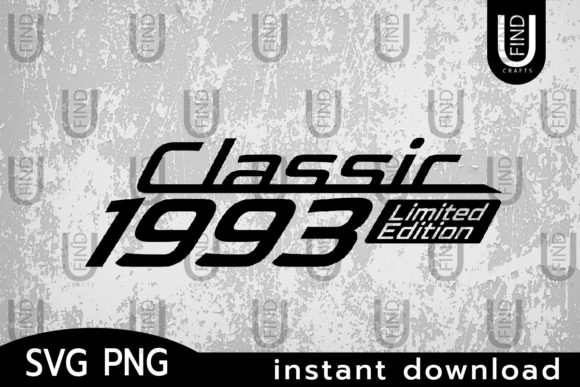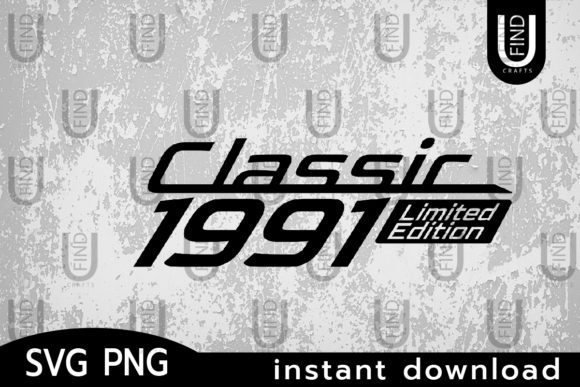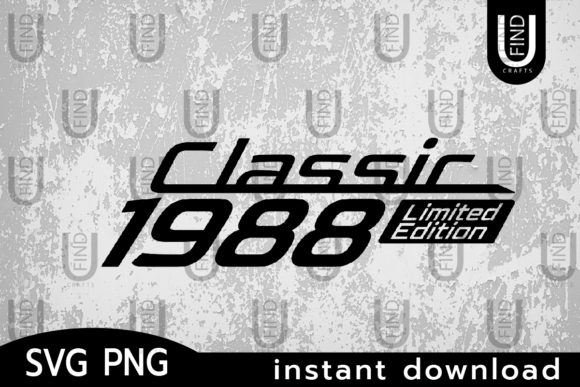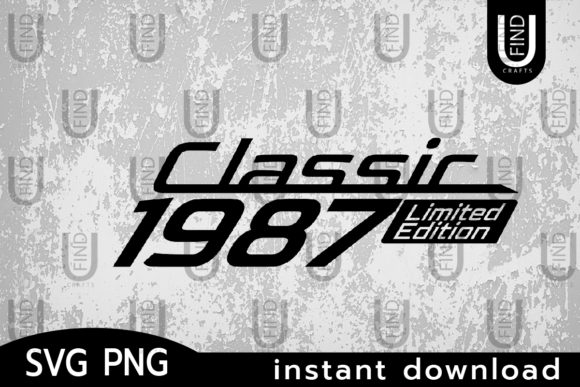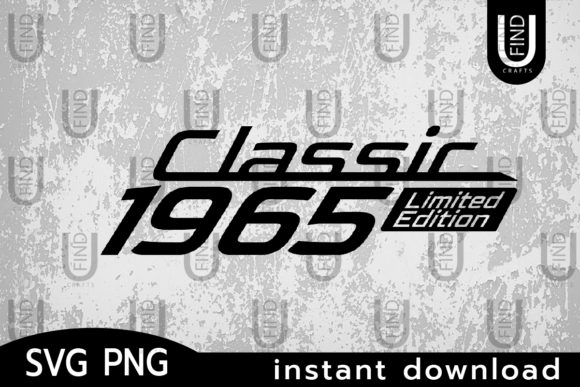
Classic 1965 Limited Edition
The Classic 1965 Limited Edition is a nostalgic design that brings a retro vibe to modern embroidery projects. Its clean lines, vintage typography, and subtle detailing make it ideal for a wide range of handmade and commercial applications. As a designer who has worked with countless digital files, I found this one to have a strong visual personality that stands out without being overwhelming.
First Impressions: A Design That Speaks Volumes
From the moment I opened the file, the Classic 1965 Limited Edition felt like a piece of history. The design evokes a sense of timeless style—perfect for anyone looking to add a touch of nostalgia to their work. It’s not overly complex, but it has enough detail to feel meaningful. The layout is balanced, with a central motif that draws the eye without cluttering the space. This makes it versatile for different project types, from simple t-shirts to more intricate custom apparel.
The design’s retro aesthetic pairs well with classic color schemes, making it an excellent choice for vintage-themed products. Whether you're creating a personalized gift or a boutique item, this design offers a unique look that feels authentic and intentional.
Real-World Use: Where Does This Design Shine?
I tested the Classic 1965 Limited Edition on a few different fabrics and project types to see how it would perform in real-life embroidery situations. It worked well on cotton tote bags, sweatshirts, and baby onesies. The design’s simplicity allowed for clear stitching without too much complexity, which is great for both beginners and experienced embroiderers.
On a custom embroidered tote bag, the design looked crisp and professional. It was also effective on a sweatshirt, where it added a subtle yet stylish element. For baby items, the design had a soft, charming quality that made it perfect for a nursery or a special gift.
One thing to note is that the design’s size and detail level make it best suited for larger hoop sizes. If you're working with smaller hoops, you may need to adjust the design or split it into sections. This is something to keep in mind if you're planning to use it on caps or other curved surfaces.
Where to Be Cautious: Limitations and Considerations
While the Classic 1965 Limited Edition is a strong design, there are some scenarios where it might not perform as well. On thin or stretchy fabrics, the stitches can sometimes show through or lose definition. I recommend using a proper stabilizer to ensure the design holds up well, especially on delicate materials.
The design also has areas with dense stitch coverage, which could be an issue on dark fabrics where the thread might not show clearly. Testing the design on both light and dark backgrounds is a good idea before committing to a final project. Additionally, if you're planning to use it on layered garments or textured fabrics, you may need to adjust the stitch density to avoid puckering or distortion.
For projects that require frequent washing, such as baby clothes or kitchen towels, it's important to consider the durability of the stitches. While the design itself is well-structured, the longevity of the finished product will depend on the fabric and finishing techniques used.
Impact on Visual Appeal and Customer Perception
The Classic 1965 Limited Edition has a strong visual presence that can elevate the perceived value of any product. When stitched onto a high-quality fabric, it adds a level of craftsmanship that customers often appreciate. This is especially true for handmade products and personalized gifts, where attention to detail matters.
As an Etsy seller or small business owner, using this design can help build brand consistency and recognition. Its vintage appeal makes it a great fit for businesses that want to maintain a nostalgic or retro theme. It also works well for holiday or wedding gifts, where the design’s timelessness adds a thoughtful touch.
When it comes to customer trust, a well-executed embroidery project can make a big difference. The Classic 1965 Limited Edition, when properly stitched, looks professional and polished, which can increase buyer confidence and satisfaction.
Practical Designer Notes: What to Check Before Using
Before using the Classic 1965 Limited Edition in a real project, I recommend testing it on scrap fabric. This helps you see how the stitches look on your specific material and whether any adjustments are needed. Checking thread color contrast is also important—especially if you're using dark fabrics or multiple colors.
Reviewing the stitch density is another key step. If the design is too dense, it may cause the fabric to pucker or the stitches to look uneven. Confirming the correct hoop size is essential, as using the wrong size can lead to distorted results. Inspecting small details, like lettering or intricate patterns, ensures everything comes out clearly after stitching.
Testing the design in black and white mockups can also help you visualize how it will look on different backgrounds. Comparing it on light and dark fabrics gives you a better idea of its versatility. Using the right stabilizer for your project type is crucial, especially when working with delicate or stretchy materials.
Finally, make sure the design is suitable for both personal and commercial use. Check the licensing terms before selling finished items or digital products. If the license allows for commercial use, this design can be a valuable addition to your collection of embroidery files.
Conclusion: A Timeless Design for Creative Projects
The Classic 1965 Limited Edition is a versatile and appealing design that can enhance a variety of embroidery projects. Its retro charm, clean layout, and manageable detail level make it a solid choice for crafters, small business owners, and designers looking for a reliable digital file. With proper preparation and attention to detail, it can become a standout element in your handmade or commercial work.
Whether you're creating a custom apparel piece, a personalized gift, or a boutique product, this design has the potential to add character and professionalism to your finished items. Just remember to test it thoroughly and consider the specifics of your project before moving forward.