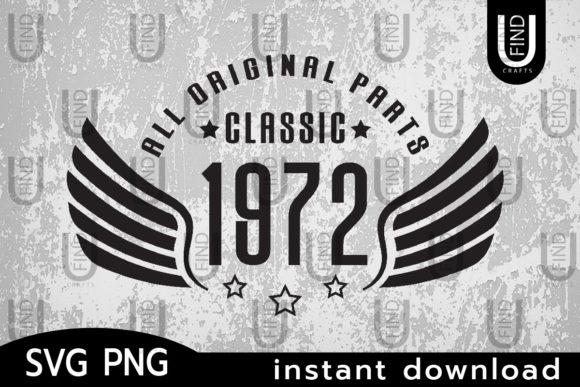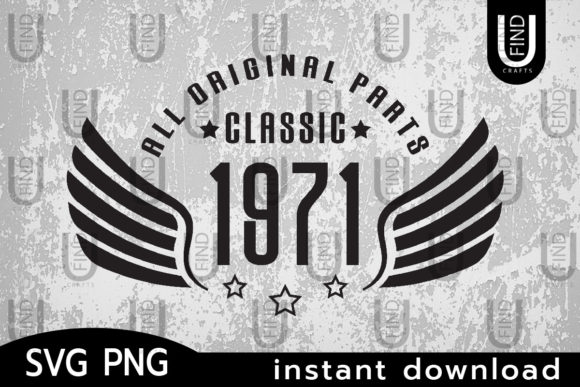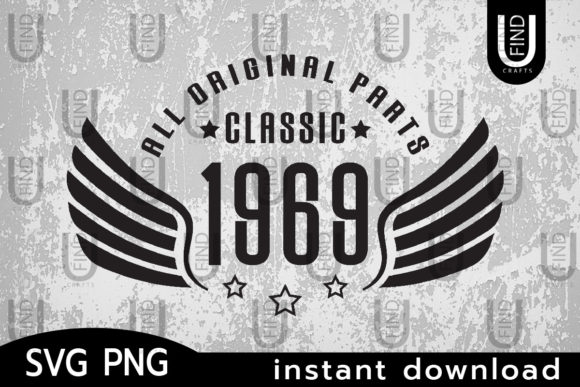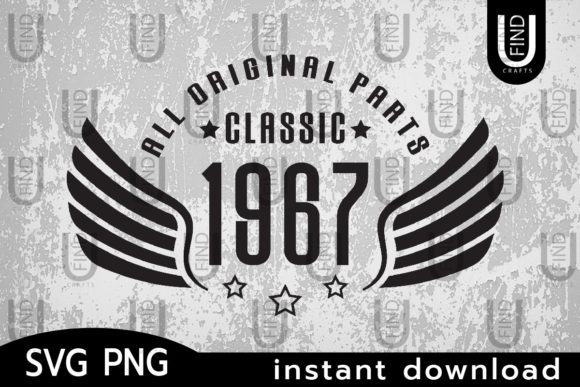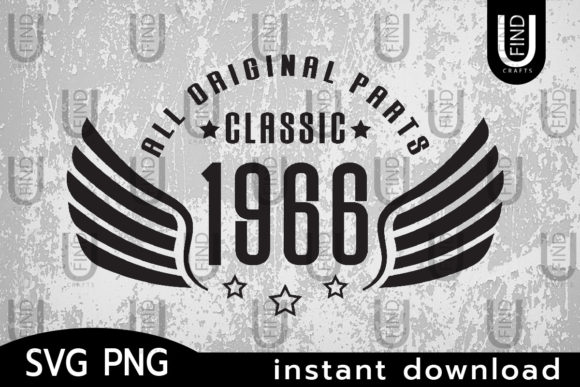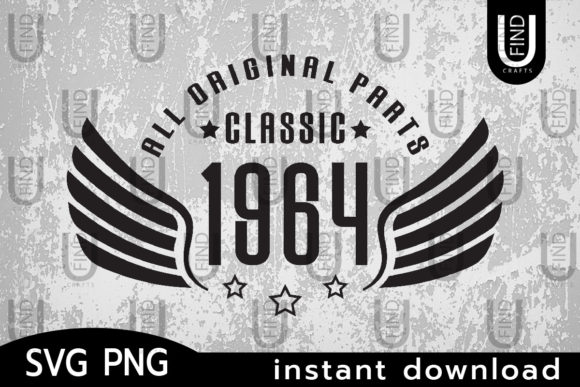
Classic 1964 All Original Parts
As an embroidery designer and product reviewer, I’ve seen my fair share of digital files that promise a lot but deliver little. The Classic 1964 All Original Parts design is one that caught my attention not just for its nostalgic appeal, but for how it could translate into real-world projects. Let’s break down what this design offers and where it truly shines.
The First Impression: A Nostalgic Visual Statement
From the moment I opened the SVG and PNG file, I was struck by the clean, vintage aesthetic. The design carries a retro vibe that feels authentic—think of a time when everything had a bit more character. The layout is simple yet deliberate, with a focus on bold lines and clear typography. It’s the kind of design that doesn’t need to shout to be noticed. Instead, it commands respect through its simplicity and timelessness.
This design would fit naturally into a variety of embroidery project types, from custom apparel to personalized gifts. Its visual personality leans toward classic, which makes it ideal for products that aim to evoke a sense of history or tradition.
Real-World Embroidery Performance
I tested Classic 1964 All Original Parts on several fabric types, including cotton, denim, and a stretchy t-shirt material. The design holds up well in most cases, especially when using the right stabilizer and adjusting the stitch density. However, there are some limitations worth noting.
For example, on thin or textured fabrics, the design can sometimes lose some of its clarity. That’s not a flaw in the design itself, but rather a consideration for the user. If you're working on a delicate fabric, you may need to adjust your machine settings or use a different type of stabilizer to maintain the integrity of the design.
On larger surfaces like tote bags or sweatshirts, the design looks great. It adds a touch of personality without overwhelming the garment. But if you’re planning to use it on something smaller, like a cap or a patch, you’ll want to make sure the hoop size is appropriate. This design might not work well in very small hoops due to the detail level.
Where to Use It Carefully
While Classic 1964 All Original Parts is versatile, there are situations where it may not perform as expected. For instance, on dark fabrics, the design may not stand out as much as you’d hope. This is especially true if the thread colors aren’t chosen carefully. I recommend testing it on both light and dark backgrounds before committing to a final product.
If you're planning to use this design on a layered garment or something with curved surfaces, like a cap, you’ll need to pay close attention to how the design flows. The corners and edges may require some extra care to ensure they look sharp after stitching.
Another thing to consider is frequent washing. If the finished product will be laundered often, you’ll want to make sure the design is securely stitched and that the applique design or satin stitch is strong enough to withstand repeated use.
Impact on Visual Appeal and Customer Perception
When it comes to handmade product value, Classic 1964 All Original Parts has a lot to offer. Its vintage feel adds a layer of authenticity that can elevate the perceived quality of any item it’s used on. Whether it's a personalized gift or a commercial product, this design can help build customer trust and create a stronger emotional connection.
It also works well for brand consistency, especially if you're running a boutique or a craft business. The design’s simplicity allows it to blend seamlessly with other elements in your product lineup, making it a reliable choice for small shop merchandise.
From a buyer engagement standpoint, this design has a strong visual presence. It’s the kind of piece that stands out on an Etsy listing or a craft fair table. Its nostalgic appeal makes it highly giftable, whether it's for a birthday, anniversary, or holiday.
Practical Designer Notes
Before using Classic 1964 All Original Parts in a client project or for sale, I recommend doing a few key tests. Start by testing the design on scrap fabric to see how it looks in different lighting and fabric textures. Check the thread color contrast to make sure it pops against the background.
Review the stitch density and make sure it’s suitable for your intended use. If you're planning to use it on a custom apparel item, confirm the hoop size and adjust the design if needed. Also, inspect the small details to ensure they’re clear and won’t get lost during the stitching process.
Consider creating a printable mockup to visualize how the design will look on the final product. This is especially helpful for digital product previews or when presenting to clients.
Finally, make sure you understand the licensing terms before selling any finished items or digital products. While the digital download includes SVG and PNG files, the specific usage rights should be confirmed to avoid any legal issues.
Conclusion: A Timeless Design for the Right Projects
Classic 1964 All Original Parts is a design that brings a sense of history and style to any embroidery project. It’s best suited for items that benefit from a vintage touch, such as tote bag design, sweatshirt embroidery, or personalized gifts. With proper preparation and attention to detail, it can add significant value to your craft business or handmade shop.
As with any machine embroidery design, success depends on how well it’s adapted to the final product. By following these practical tips, you can ensure that Classic 1964 All Original Parts turns into a standout finished product that customers will love.