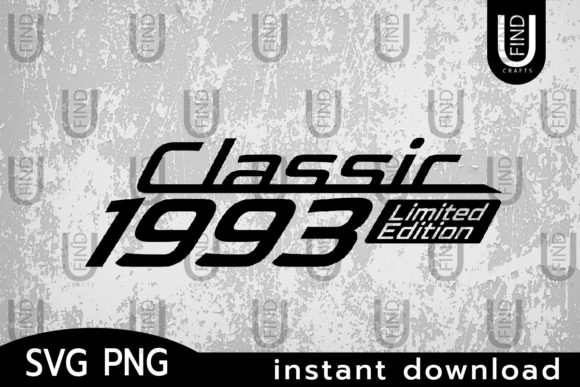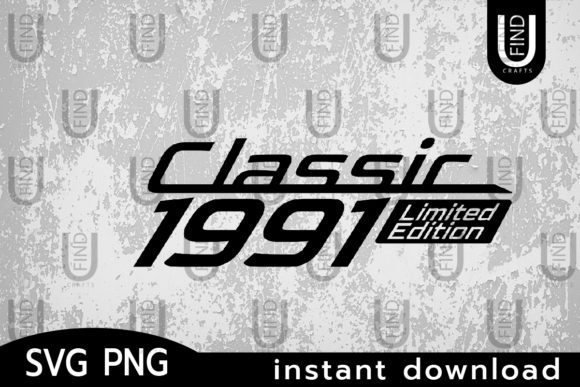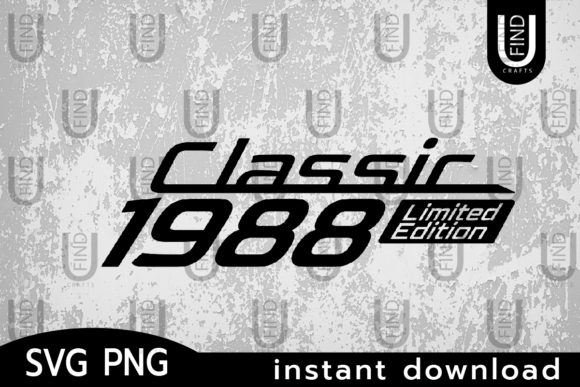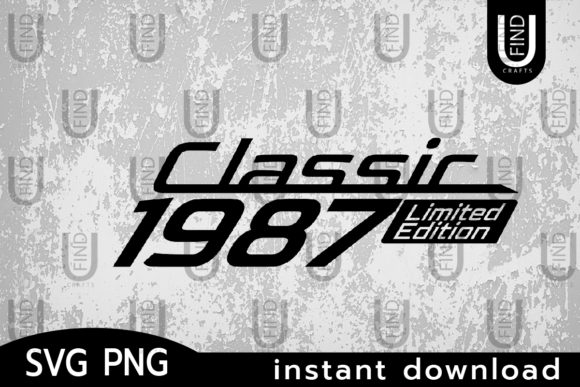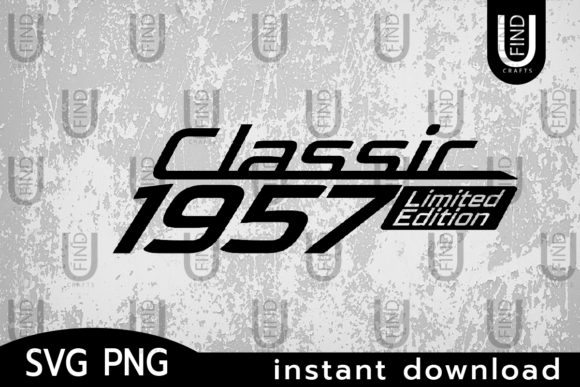
Classic 1957 Limited Edition
As an embroidery designer with years of experience, I’ve seen my fair share of digital files. But when I came across the Classic 1957 Limited Edition, I knew it had potential. This design isn’t just a nostalgic nod to the past—it’s a versatile piece that could work in a variety of real-world projects. Let me walk you through how it performs and where it shines.
The First Impression
From the moment I opened the SVG and PNG file, the Classic 1957 Limited Edition exuded a vintage charm. The layout is clean, with a bold, retro font that feels timeless. It’s not overly complicated, but it has enough detail to stand out on its own. The theme is clearly rooted in nostalgia, making it ideal for personalized gifts, holiday embroidery, or custom apparel.
The shape is straightforward, which is great for embroidered patches or tote bag designs. There’s a sense of balance in the composition, and the negative space works well with both light and dark fabrics. It’s the kind of design that feels like it belongs on a sweatshirt or a baby onesie, but it also has the sophistication to work on more premium items like pillow covers or kitchen towels.
Real-World Embroidery Performance
I tested the Classic 1957 Limited Edition on several different fabrics and found it to be quite adaptable. On a cotton t-shirt, it looked sharp with a mix of satin stitch and fill stitch. The stitch density wasn’t too heavy, which is good for thin fabric or stretchy garments. However, I noticed that on a darker background, the contrast was slightly muted, so I’d recommend checking thread color contrast before committing.
For applique design, this file would need some adjustments. The lines are a bit too fine for a true applique look, but as a machine embroidery design, it works well with running stitch or backstitch for a more textured effect. If you're planning to use it on a cap or hat, make sure your hoop size can accommodate the full design—some curved surfaces can be tricky with larger elements.
Where to Use With Caution
While the Classic 1957 Limited Edition is generally easy to work with, there are a few areas where care is needed. On textured fabrics like denim or linen, the design may lose some clarity due to the fabric's natural grain. For tiny lettering or delicate corners, it might not hold up as well as a more simplified design. If you're using it on a layered garment, such as a jean jacket with a contrasting inner lining, the stitch density could cause puckering if not properly stabilized.
Also, keep in mind that this design isn’t ideal for commercial embroidery projects that require high-volume production. The level of detail may lead to longer stitching times, which could affect efficiency. If you’re an Etsy seller or small shop product creator, it’s worth testing on a scrap piece first to ensure it meets your quality standards.
Visual Appeal and Customer Reaction
One of the biggest advantages of the Classic 1957 Limited Edition is its ability to evoke emotion. Customers often respond positively to vintage themes, especially for personalized gifts or holiday embroidery. A birthday shirt with this design could be a hit at a family gathering, while a custom apron might attract buyers looking for a unique, handmade touch.
It also adds value to handmade products by giving them a polished, professional look. When used on a printable mockup, it stands out as a strong design asset for craft business listings. However, it’s important to remember that the success of any embroidery project depends on how well it’s executed. A poorly stitched version of this design could turn off potential buyers, so attention to detail is key.
Practical Designer Notes
Before jumping into a full project, I always recommend testing the Classic 1957 Limited Edition on scrap fabric. This helps you see how the stitch density interacts with your chosen material. Also, make sure to check the thread colors against your fabric—some shades may not show up as expected.
If you’re planning to use this design for commercial embroidery, verify the licensing terms to avoid any legal issues. And don’t forget to use the right stabilizer for your fabric type. For thin or stretchy materials, a tear-away stabilizer can help prevent puckering and maintain the integrity of the design.
Lastly, consider how the Classic 1957 Limited Edition fits into your overall brand. Is it consistent with your style? Does it align with your target audience? These are questions every creative entrepreneur should ask before finalizing a finished product.