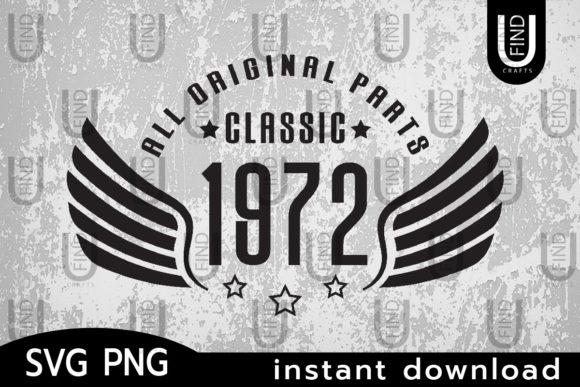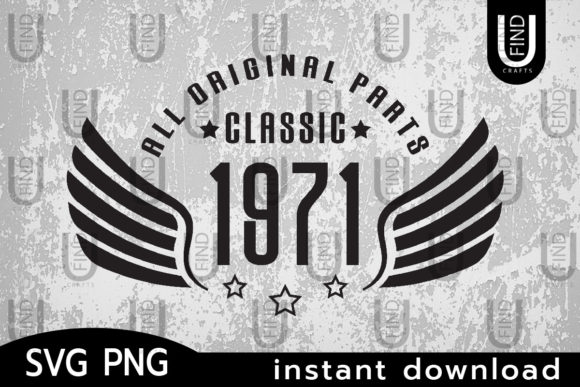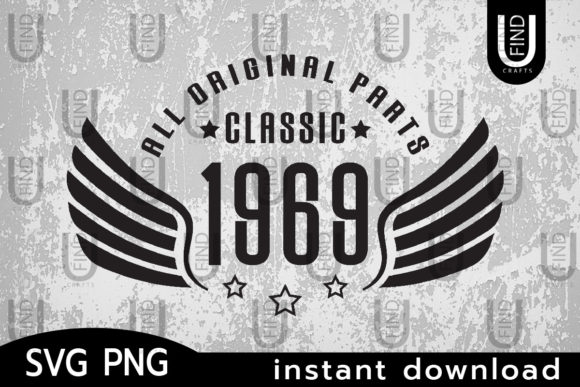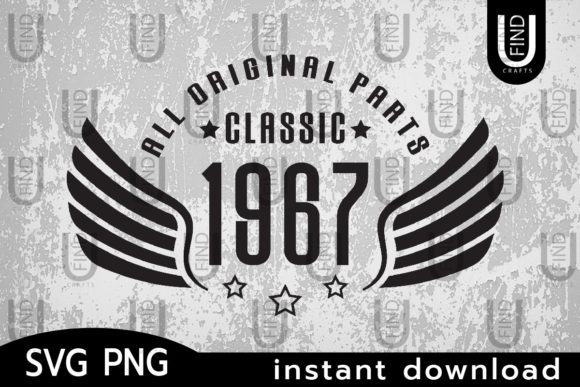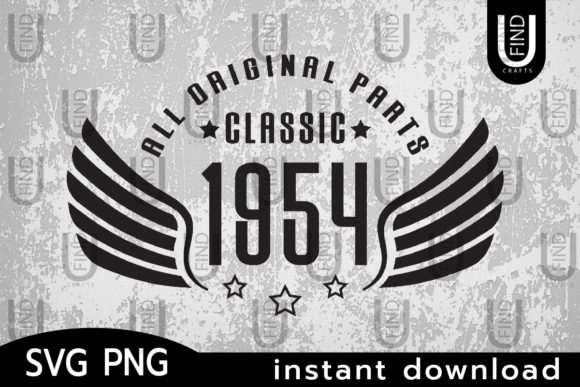
Classic 1954 All Original Parts
As an embroidery designer and product reviewer, I’ve seen my fair share of digital files that promise a lot but deliver little. Classic 1954 All Original Parts is one that stands out for its nostalgic charm and potential in real-world projects. Whether you're working on custom apparel, handmade gifts, or small business merchandise, this design has a unique personality that can elevate your work if used thoughtfully.
The First Impression: A Nostalgic Visual Statement
From the moment I opened the Classic 1954 All Original Parts file, I was struck by its vintage aesthetic. The design exudes a sense of history, with clean lines and a retro feel that feels authentic rather than forced. It’s not just a graphic—it’s a statement. The layout is balanced, with enough detail to be visually engaging without being overwhelming. This makes it ideal for projects that require a touch of elegance or a subtle nod to the past.
The theme of the design is clearly rooted in nostalgia, making it perfect for birthday celebrations, anniversary gifts, or any project that benefits from a timeless look. The shape and structure suggest it could work well as an embroidered patch, a tote bag design, or even a decorative element on a sweatshirt. Its simplicity allows it to be versatile, but it also demands careful consideration when it comes to execution.
Real-World Embroidery Performance
When testing Classic 1954 All Original Parts on different fabrics and projects, I found that it performs best on medium-weight materials like cotton or canvas. It holds up well on tote bags, sweatshirts, and aprons, where the design can be easily seen and appreciated. However, there are a few limitations to be aware of.
For instance, the design may struggle in smaller hoop sizes. If you’re working on a cap or a small patch, you might find that some details get lost or distorted. Similarly, on textured or stretchy fabrics, the stitch density could cause the design to pucker or shift. It’s important to test it on scrap fabric before committing to a final project.
One thing I noticed is that the design works better with bold thread colors. On dark backgrounds, the contrast is strong, but on light fabrics, it may require a bit more attention to ensure visibility. For commercial use, especially on items that will be washed frequently, using the right stabilizer is crucial to maintain the integrity of the stitches.
Where to Use It Carefully
While Classic 1954 All Original Parts has a lot to offer, there are certain scenarios where it might not be the best choice. If you’re planning to use it on thin or stretchy fabric, you may need to adjust the stitch density or add extra stabilizer. Likewise, on curved surfaces like caps, the design could appear slightly distorted unless carefully hooped and stitched.
Small details, such as tiny lettering or intricate corners, may not translate well in all situations. If the design includes these elements, they should be double-checked for clarity. Additionally, if you’re using it for layered garments or products that require frequent washing, make sure the stitching is secure and the design won’t fade or wear off over time.
Impact on Visual Appeal and Customer Perception
Embroidery is more than just a decorative element—it’s a way to tell a story. Classic 1954 All Original Parts has the potential to add character to a handmade product, making it more appealing to customers who value authenticity and craftsmanship. When executed well, it can increase the perceived value of a finished product, whether it’s a personalized gift or a boutique item.
From a branding perspective, this design could be a great fit for businesses that want to incorporate vintage elements into their offerings. It’s also ideal for holiday or special occasion items, where the nostalgic feel can resonate with buyers looking for meaningful, one-of-a-kind pieces.
Practical Designer Notes
Before using Classic 1954 All Original Parts in a project, here are a few key considerations:
- Test on scrap fabric first to check how the design looks and stitches.
- Review thread color contrast to ensure visibility on your chosen fabric.
- Check stitch density to avoid puckering or distortion.
- Confirm hoop size to ensure the design fits comfortably.
- Inspect small details for clarity and accuracy.
- Test in black and white mockups to see how it appears without color.
- Compare light and dark fabric backgrounds to determine the best application.
- Use proper stabilizer for delicate or stretchy materials.
- Confirm licensing before selling finished items or digital products.
These steps help ensure that the final product meets both your standards and those of your customers.
Best Fit for Specific Projects
Classic 1954 All Original Parts shines in projects that benefit from a classic, understated look. It’s perfect for:
- Custom apparel like t-shirts, sweatshirts, and tote bags
- Personalized baby items and nursery decor
- Holiday gifts and commemorative items
- Embroidered patches and aprons
- Small business merchandise and Etsy listings
- Craft fair products and boutique branding
It’s less suited for high-detail, fast-paced projects where precision is critical. But for the right application, it can add a unique touch that sets your work apart.
Final Thoughts
Classic 1954 All Original Parts is a design that carries a sense of history and character. As an embroidery designer, I appreciate its potential to enhance handmade products and create a connection with customers through nostalgia. However, its success depends on how it’s used and the care taken during the stitching process.
If you’re looking for a vintage-inspired machine embroidery design that can add value to your craft business or personal projects, this one is worth considering. Just remember to test it thoroughly and use it where it will shine the most.