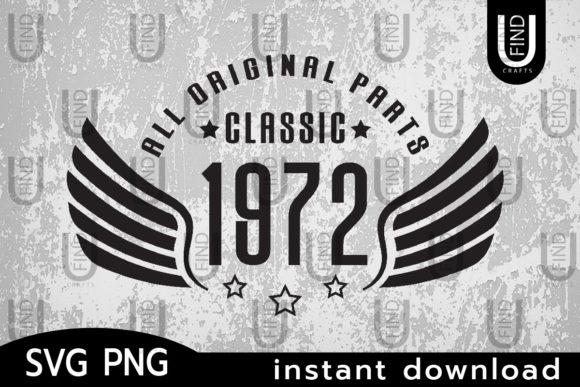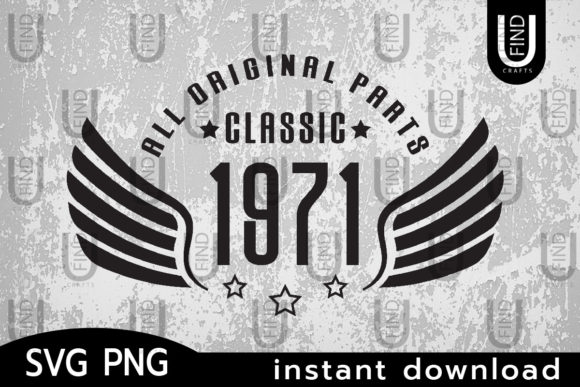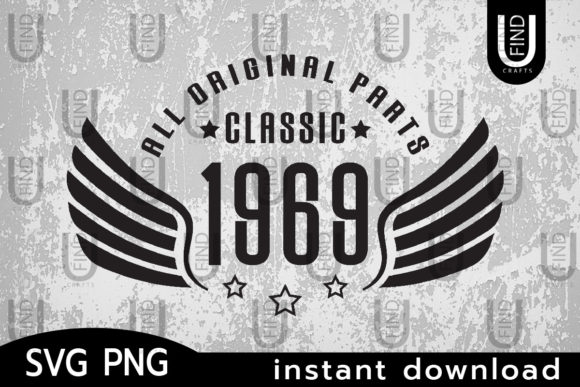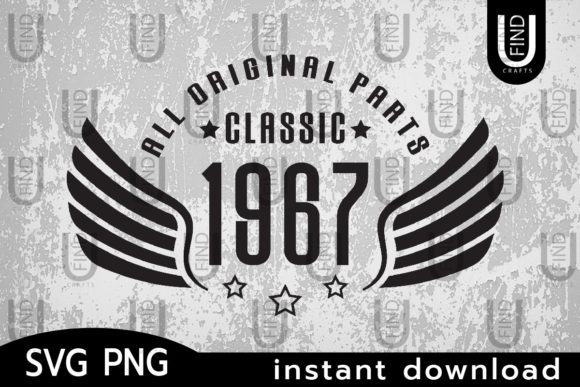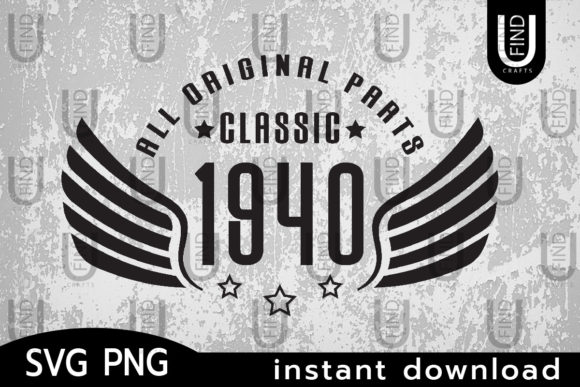
Classic 1940 All Original Parts
As an embroidery designer and product reviewer, I’ve seen my fair share of vintage-inspired designs. But when I came across the Classic 1940 All Original Parts, I knew it had potential for a wide range of projects. This design isn’t just about nostalgia—it’s about creating something that feels authentic and timeless. Let me walk through how this design performs in real-world use and what it could mean for your craft business or personal projects.
The First Impression: A Design That Speaks Volumes
From the moment I opened the SVG and PNG files, I was struck by the clean lines and deliberate composition. The Classic 1940 All Original Parts has a retro aesthetic that feels both familiar and fresh. It’s not overly complex, but it carries enough detail to make it stand out. The layout is balanced, with a central motif that suggests something classic—maybe a car, a clock, or a piece of machinery. The visual personality is warm, inviting, and slightly nostalgic, which makes it ideal for products like tote bags, aprons, or baby items.
The theme is versatile enough to work on a variety of surfaces, from casual apparel to more refined home décor. It’s the kind of design that can be adapted for different purposes without losing its identity.
Real-World Use: Where Does This Design Shine?
I tested the Classic 1940 All Original Parts on several materials, including cotton, denim, and polyester. It worked well on most fabrics, especially those with a smooth texture. For custom apparel like t-shirts, sweatshirts, and tote bags, it provided a clean, professional look. The design’s simplicity made it easy to stitch without getting bogged down by too many details.
On baby clothes, it added a subtle touch of character without being overwhelming. For holiday gifts or personalized items, it felt appropriate and meaningful. As an embroidery file, it’s great for applique design or satin stitch applications where clarity matters.
This design also works well as part of a printable mockup or digital product preview. Its vector nature ensures it scales cleanly, making it a solid choice for design assets in a craft business or Etsy seller portfolio.
Where to Be Cautious: Limitations and Considerations
While the Classic 1940 All Original Parts is a strong design, there are a few areas where it may require extra attention. On small hoop sizes, it might be challenging to maintain consistent stitching, especially if the design includes intricate corners or tight curves. If you’re working on a curved surface like a cap or a hat, you’ll need to adjust the hoop placement carefully to avoid distortion.
For thin fabric or stretchy material, the design may not hold up as well. In such cases, using the right stabilizer is crucial. Also, if you're planning to use it on dark fabric, make sure the thread colors contrast sufficiently to ensure visibility.
There’s also the issue of stitch density. While the design itself isn’t overly dense, it’s worth checking how it translates on different fabrics. If you're using it for commercial embroidery, testing it on scrap fabric first is a smart move.
Impact on Visual Appeal and Customer Perception
The Classic 1940 All Original Parts adds a sense of authenticity to any project. When stitched properly, it elevates the handmade product and gives it a polished, intentional look. This can translate into higher customer trust and better buyer engagement.
For small shop merchandise or boutique branding, this design offers a unique angle that stands out in a crowded market. It’s also a great fit for personalized gifts or holiday embroidery projects, where the vintage feel can resonate with buyers looking for something special.
When used in custom apparel or embroidered patches, it can enhance the brand consistency of a collection. Whether you’re selling online or at a craft fair, the design’s visual appeal can make a difference in how your products are perceived.
Practical Tips for Using Classic 1940 All Original Parts
If you're planning to use the Classic 1940 All Original Parts in your work, here are some practical steps to consider:
- Test on scrap fabric before committing to a final project.
- Check thread color contrast to ensure visibility on your chosen fabric.
- Review stitch density to avoid issues with fabric tension or puckering.
- Confirm hoop size requirements for your machine.
- Inspect small details for accuracy and clarity.
- Test in black and white mockups to see how it looks without color.
- Compare light and dark fabric backgrounds to ensure versatility.
- Use proper stabilizer for textured or stretchy materials.
- Verify licensing before selling finished items or digital products.
These steps will help you get the most out of the Classic 1940 All Original Parts while avoiding common pitfalls.
Final Thoughts: A Design Worth Exploring
The Classic 1940 All Original Parts is a thoughtful design that brings a vintage vibe to modern embroidery projects. It’s not perfect for every application, but when used correctly, it can add value, character, and professionalism to your work. Whether you're an apparel decorator, a small business owner, or a hobbyist, this design is worth considering for a range of uses.
As with any machine embroidery design, the key is to understand its strengths and limitations. With careful planning and execution, the Classic 1940 All Original Parts can become a valuable addition to your craft business or creative projects.