Vintage Retro Skating
As an embroidery designer and product reviewer, I often find myself evaluating new designs with a critical eye—looking for quality, usability, and the potential to elevate real projects. Vintage Retro Skating caught my attention not just for its nostalgic aesthetic, but for how it might translate into practical use across a range of embroidery applications. Let’s break down what this design offers and where it could shine—or fall short—in real-world scenarios.
The First Impression: A Nostalgic Visual Journey
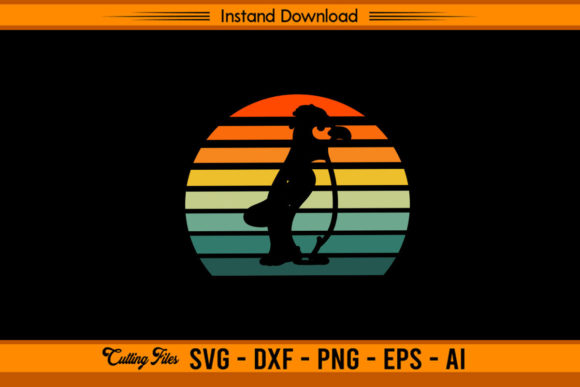
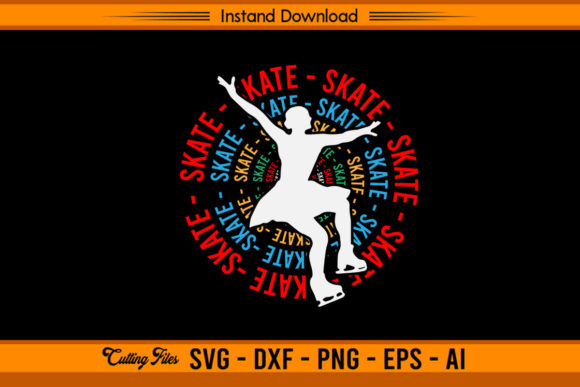
Vintage Retro Skating immediately evokes a sense of nostalgia. The design features clean lines, bold shapes, and a retro color palette that feels right at home on vintage posters or classic skate culture memorabilia. The layout is balanced, with enough detail to make it visually engaging without being overwhelming. It has a strong visual personality that leans into the 70s and 80s vibe, making it ideal for projects that aim to capture that era’s charm.
This design seems most at home on custom apparel, like sweatshirts or tote bags, where the retro theme can be highlighted. It also has potential for baby items, such as onesies or blankets, where the softness of the design can blend well with gentle fabric textures.
Real-Life Embroidery Use Cases
When considering how Vintage Retro Skating would perform in actual embroidery work, several factors come into play. For example, if you’re working on a custom tote bag design, the design’s size and complexity need to align with the hoop size of your machine. If the design is too large for your standard hoop, you may need to split it or adjust the layout accordingly.
For a sweatshirt embroidery project, the design’s stitch density and structure matter. Satin stitches and fill stitches should be consistent to avoid puckering or distortion, especially on stretchy fabrics. If you’re planning to use this on a cap or hat, the curvature of the surface could affect how the design sits, so testing on a sample is crucial.
On thinner or textured fabrics, the design might require additional stabilizer to prevent the stitches from sinking into the material. This is particularly important for baby items or delicate garments where comfort and durability are key.
Where to Be Careful: Potential Challenges
While Vintage Retro Skating has a lot to offer, there are areas where caution is advised. Small hoop sizes can limit how much of the design you can stitch at once, which might require breaking the design into sections. This can be time-consuming and may affect the overall look if not done carefully.
On dark fabrics, the design’s contrast needs to be checked thoroughly. If the thread colors don’t stand out against the background, the final result might look muted or unclear. Similarly, on stretchy or thin materials, proper stabilizer use is essential to maintain stitch integrity.
Detailed corners and tiny lettering can be tricky. If the design includes fine details, they may not hold up well during the stitching process, especially if the machine isn’t set up correctly. Testing on scrap fabric before committing to a finished product is always a good idea.
Impact on Visual Appeal and Customer Perception
Vintage Retro Skating has the potential to enhance the visual appeal of any embroidered item. Its retro style can add character to handmade products, making them more unique and desirable. For Etsy sellers or small shop owners, this design could help differentiate their offerings in a crowded market.
When used effectively, the design can boost customer trust by showing a level of craftsmanship and attention to detail. It also supports brand consistency, especially for businesses that want to maintain a cohesive aesthetic across their product lines.
From a giftability standpoint, Vintage Retro Skating works well for personalized gifts, holiday items, or wedding favors. Its nostalgic feel makes it a great choice for customers looking for something meaningful and stylish.
Practical Designer Notes: What to Check Before Using
Before incorporating Vintage Retro Skating into your projects, here are a few key steps to take:
- Test on scrap fabric: Always test the design on a similar material to see how it looks and feels.
- Check thread color contrast: Ensure the thread colors stand out against the fabric you plan to use.
- Review stitch density: Confirm that the design’s density is suitable for the type of fabric you're working with.
- Confirm hoop size: Make sure the design fits within your machine’s hoop limitations.
- Inspect small details: Look closely at intricate parts of the design to ensure they’ll hold up during stitching.
- Test in black and white mockups: This helps assess how the design will look on different backgrounds.
- Compare light and dark fabric: See how the design appears on both types of fabric to determine best use cases.
- Use proper stabilizer: Especially important for delicate or stretchy materials.
- Check licensing: Confirm whether the design is suitable for commercial use or resale.
These steps can help ensure that Vintage Retro Skating translates well into your embroidery projects, whether you're creating a handmade product, a personalized gift, or a digital asset for sale.
Final Thoughts: A Versatile Design with Nostalgic Charm
Vintage Retro Skating is a design that brings a touch of nostalgia to modern embroidery projects. Its clean lines, retro aesthetic, and versatility make it a valuable addition to any designer’s toolkit. However, like any machine embroidery design, it requires careful consideration of fabric type, hoop size, and stitch settings to achieve the best results.
Whether you're an Etsy seller, a craft business owner, or a hobbyist looking to create unique handmade items, Vintage Retro Skating offers a solid foundation for creative expression. With the right approach, it can become a standout element in your product lineup, helping you connect with customers who appreciate style, quality, and a bit of vintage flair.